

The Complete Guide to German Beer Styles: From Helles to Doppelbock


In 2025, Germany's breweries sold roughly 7.8 billion litres of beer, according to the German Federal Statistical Office (Destatis, beer excise duty statistics). That's an ocean of lager, wheat beer and bock flowing from around 1,500 breweries. Yet most drinkers outside Germany can name only two or three German styles.
This guide fixes that. We'll walk through every major German beer style: pale lagers, dark lagers, the bock family, wheat beers and the regional ales. For each, you'll get the numbers, history and serving advice you need to pick your next bottle with confidence. Whether you're stocking up for a bratwurst night or hunting your first Doppelbock, you'll know exactly what to pick.
Key Takeaways
- Pilsner still dominates Germany, holding roughly 50% of the beer market (Statista, 2025), but Helles is the fastest-growing classic style.
- Bock beers range from ~6.3% to over 11% ABV — Doppelbock was literally brewed as "liquid bread" by monks.
- Serve German lagers colder (4–7°C) and bocks warmer (9–12°C) to get the full flavour.
Why Do German Beer Styles Still Matter in 2026?
In 2026, Germany remains Europe's largest beer producer, with a market worth €12.3 billion (IBISWorld, Beer Production in Germany, 2025) and around 1,500 active breweries (Deutscher Brauer-Bund, Daten & Fakten). German styles matter because they're the blueprint: most of the world's lager, from Mexican cerveza to Japanese dry beer, descends from Bavarian and Bohemian brewing.
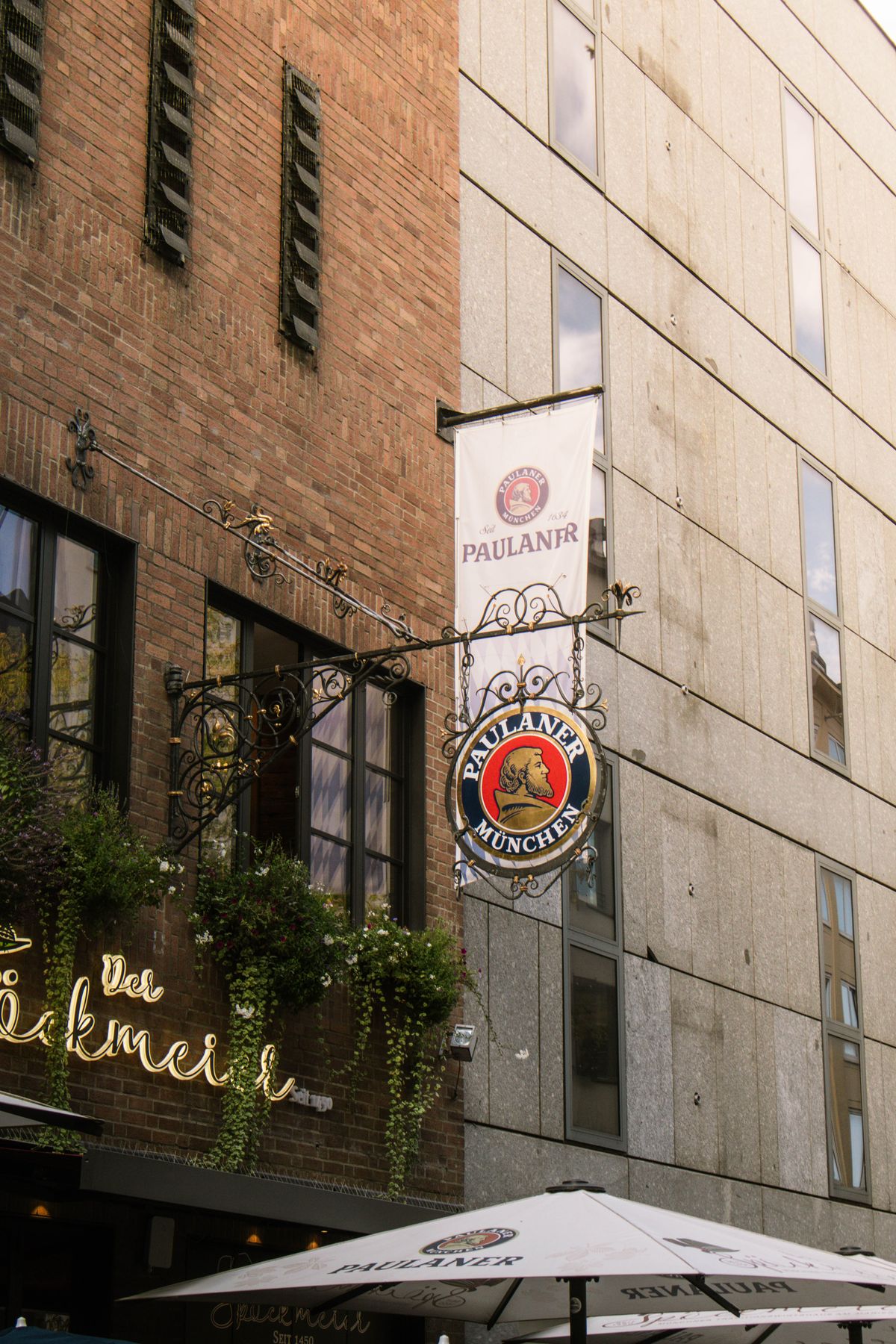
The foundation is the Reinheitsgebot, the Bavarian purity law of 1516. It limited beer ingredients to water, barley and hops (yeast hadn't been identified yet). Although a 1987 European Court of Justice ruling means it's no longer binding law for imports, most German brewers still follow it voluntarily as a badge of identity (Wikipedia, Reinheitsgebot).
That discipline shaped everything. Where Belgian brewers reached for spices and British brewers for sugars, German brewers had to create variety through malt, hop selection, yeast character and lagering time alone. The result is a family of styles defined by precision and balance rather than novelty.
According to the Deutscher Brauer-Bund, roughly 70% of German breweries sit in just three states — Bavaria, Baden-Württemberg and North Rhine-Westphalia. That's why so many styles carry the name of a southern town or region. Geography, not marketing, named these beers.
Browse our full German beer collection → German beer collection
What Are the Classic German Lager Styles?
Lager is Germany's default. As of 2025, Pilsner alone holds about 50% of the German beer market (Statista, Beer market in Germany), with Helles the strongest-growing traditional style as drinkers shift toward softer, maltier Bavarian lagers. If you're new to German beer, start with one of these four.
Helles: Munich's Everyday Beer
Helles (meaning "bright" or "pale") is Munich's answer to Pilsner, created by Spaten in 1894. Expect 4.7–5.4% ABV, a soft bready-malt centre and gentle hop bitterness. It's the beer locals drink by the litre in beer gardens — easy, balanced and dangerously drinkable. If a customer asks us for "a proper German lager," this is usually what they mean.
When customers ask me, "what is your most popular Helles beer? It's difficult for me to answer as this can be seasonal but consistently through the year, Augustiner Helles is by far our most popular.
Pilsner: The Crisp Northern Standard
German Pils is drier, lighter-bodied and more bitter than Helles, typically 4.4–5.2% ABV with a snappy herbal hop finish. Meanwhile, northern Germany drinks far more Pils than the south. It's the style that conquered the world — but the German original is noticeably crisper than most international imitations.
Dunkel and Schwarzbier: The Dark Lagers
Munich Dunkel (4.5–5.6% ABV) is smooth, nutty and bread-crusty — dark in colour but never heavy. Schwarzbier ("black beer," 4.4–5.4% ABV) goes darker still, with light roast and cocoa notes wrapped in a dry lager body. Don't let the colour fool you: both are session beers, not stouts.
Märzen and Festbier: The Oktoberfest Beers
Märzen ("March beer") was historically brewed in spring and lagered through summer for autumn drinking — amber, toasty and 5.8–6.3% ABV. Modern Oktoberfest in Munich actually pours the paler, stronger-than-Helles Festbier. As of 2025, festival-goers drank around 6.5 million litres of it over 16 days (Oktoberfest.de, official 2025 summary).
Why is consumption falling while the festival stays packed? Visitor numbers held at 6.5 million in 2025 (Oktoberfest.de), but food sales rose 5–6% in the big tents. People are eating more and drinking a little less — the same moderation trend reshaping the entire German market.
shop Oktoberfest and Festbier favourites → Here
Bock Beers: From Maibock to Doppelbock
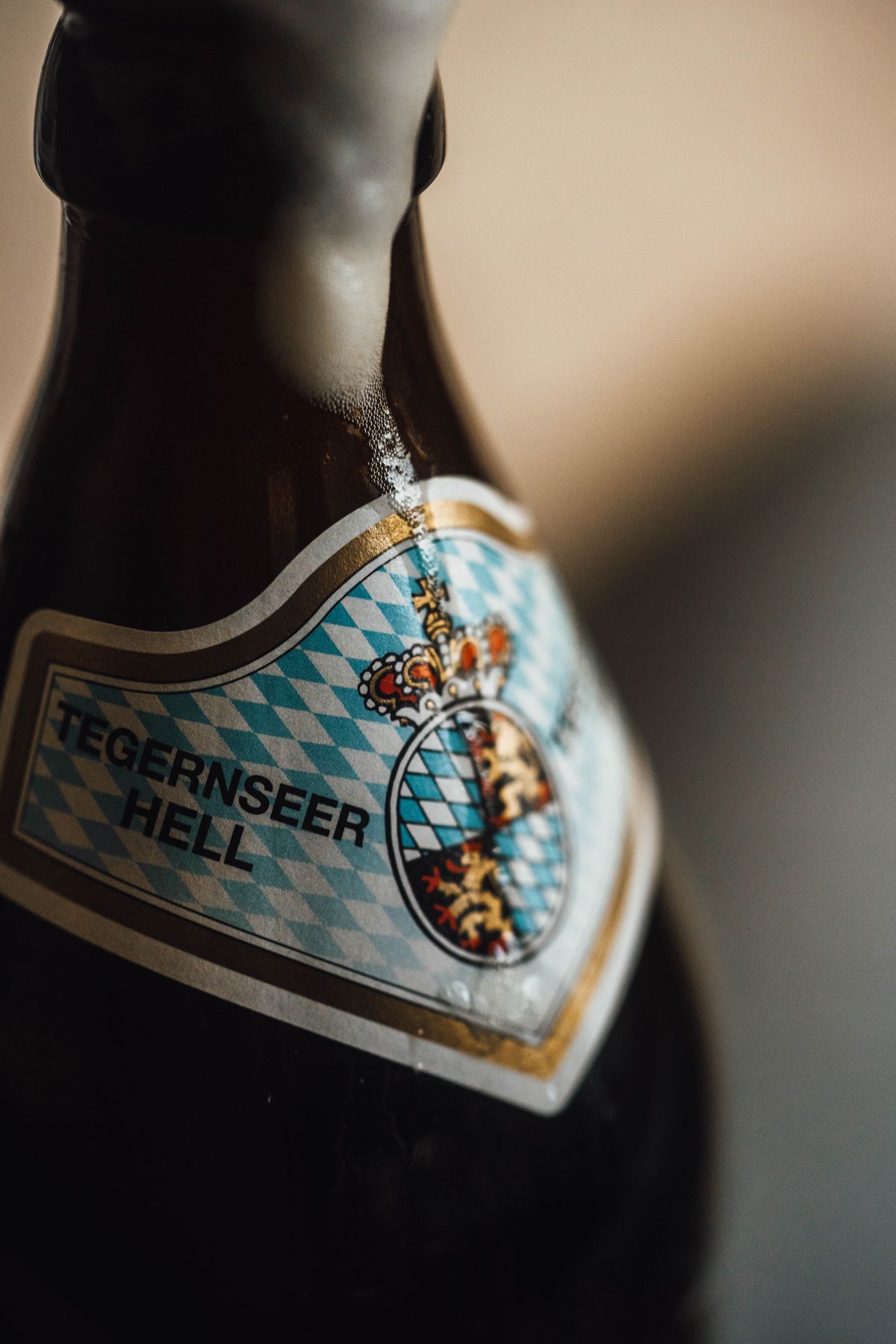
Bock is Germany's strong-lager family, spanning roughly 6.3% to over 11% ABV across four recognised sub-styles (BJCP Style Guidelines, 2021). These are the beers the title promised: rich, malty, lagered for months, and historically brewed by monks as nourishment during Lent. One style ladder takes you from golden spring beer to near-barley-wine strength.
Traditional Bock and Maibock
Standard Dunkles Bock (6.3–7.2% ABV) is deep amber-brown, all toasted bread and caramel with minimal hops. Maibock (or Helles Bock) is its golden spring cousin — same strength, paler malt, slightly more hop bite. The name likely derives from Einbeck, the northern town whose strong beer Bavarians fell in love with and then mispronounced as "ein Bock" (a billy goat). That's why so many labels feature a goat.
Doppelbock: Liquid Bread
Doppelbock (7–10% ABV) was perfected by Munich's Paulaner monks in the 17th century as sustenance during Lenten fasting — hence the nickname Flüssiges Brot, liquid bread. The original, Salvator, gave rise to a tradition: most doppelbocks still carry an "-ator" name (Celebrator, Optimator, Animator). Expect intense malt depth, dark fruit, toffee and surprising smoothness for the strength.
Eisbock: The Frozen Extreme
Eisbock (9–14% ABV) is made by partially freezing a doppelbock and removing the ice, concentrating alcohol and flavour. It's rare, intense and best treated like a dessert wine — a 330ml bottle comfortably serves two.
Here's the pattern worth noticing: German brewing strength tracks the calendar. Light Berliner Weisse for summer, Märzen for autumn, bock for winter and Lent, Maibock for May. Before refrigeration, brewing seasons dictated style — and the tradition stuck. Buy seasonally and you're drinking these beers exactly as intended.
What Makes German Wheat Beers Different?
Wheat beers (Weissbier or Weizen) are Bavaria's top-fermented exception to lager dominance, brewed with at least 50% malted wheat and a yeast that throws banana and clove aromas. While the broader wheat category has lost volume in recent years, premium variants have held up (Statista, Beer market in Germany, 2025). Nothing else tastes like them.
Hefeweizen
The classic: cloudy gold, pillowy carbonation, 4.3–5.6% ABV, with that signature banana-clove yeast character and almost no hop bitterness. The "Hefe" means yeast — it's unfiltered, so swirl the last inch of the bottle and pour it in. Brilliant with brunch, roast chicken or a pretzel.
Dunkelweizen and Weizenbock
Dunkelweizen layers caramel and dark-bread malt under the banana-clove profile. Weizenbock (6.5–9% ABV) is the wheat world's answer to doppelbock — Schneider Aventinus is the benchmark. Rich, warming and superb with roast pork or strong cheese.
Berliner Weisse and Gose: The Sour Revivals
Two northern sour wheat styles nearly went extinct before craft brewers revived them. Berliner Weisse (~2.8–3.8% ABV) is tart, spritzy and traditionally served with raspberry or woodruff syrup. Gose adds coriander and a pinch of salt. Both predate the Reinheitsgebot's reach and survive as protected regional exceptions — and both are perfect hot-weather beers.
Which German Ales Should You Know?
Germany brews ales too — two of them, fiercely regional, and both lagered cold after warm fermentation. Kölsch is legally protected: since the 1986 Kölsch Konvention, only breweries in and around Cologne may use the name (Wikipedia, Beer in Germany). Düsseldorf, 40km away, answers with Altbier. Locals treat the rivalry seriously; you should treat it as two beers to try back to back.
Kölsch (4.4–5.2% ABV) is pale, delicate and subtly fruity — served in slim 200ml "Stange" glasses that keep it cold and fresh. Altbier ("old beer," 4.3–5.5% ABV) is copper-coloured and balances rich malt against a firm, peppery bitterness. If you enjoy English bitter, Altbier is your gateway into German brewing.
How Should You Serve and Pair German Beers?
Serving temperature changes German beer more than most drinkers expect. In our experience, the same doppelbock poured at 5°C and again at 11°C reads like two different beers. The cold pour mutes the dark fruit and toffee entirely. The rule of thumb: the darker and stronger the beer, the warmer it should be served.
Glassware matters less than temperature, but the traditions exist for a reason: the tall Weizen vase manages wheat beer's huge foam head, the Stange concentrates Kölsch's delicate aroma, and a stemmed goblet lets a doppelbock warm in your hand.
Quick pairing guide:
- Helles / Pils — bratwurst, schnitzel, fish and chips, anything fried
- Hefeweizen — weisswurst, brunch eggs, roast chicken, mild curry
- Dunkel / Schwarzbier — grilled meats, mushrooms, goulash, barbecue
- Märzen / Festbier — pretzels, roast pork, aged Gouda
- Doppelbock / Weizenbock — pork knuckle, blue cheese, chocolate desserts
Which German Beer Style Should You Try First?
Start where Germany is heading: Helles. It's the fastest-growing classic style in the market. In fact, as of 2025, non-alcoholic beer already exceeds 10% of German retail sales, and the country offers more than 700 alcohol-free brands (NA Beer Club; Statista, Non-Alcoholic Beer in Germany). Approachable styles are winning — and Helles is the most approachable of all.
From there, follow the malt. Our suggested tasting ladder for customers new to German beer: Helles → Dunkel → Märzen → Bock → Doppelbock. Each step adds malt depth and roughly one percent of strength, so your palate climbs gradually instead of jumping from light lager straight to liquid bread. Similarly, wheat beer fans can run the parallel ladder: Hefeweizen → Dunkelweizen → Weizenbock.
One more tip: check the bottling date. German lagers are brewed for freshness, not ageing — a Helles is at its best within months of packaging. Doppelbock and Eisbock are the exceptions; both cellar happily for a year or more.
Ready to taste Germany?
Build your own tasting ladder — from everyday Helles to Lent-strength Doppelbock — with our hand-picked German range.
Shop German beers at Beerhunter → German beer
Frequently Asked Questions
What is the most popular beer style in Germany?
Pilsner, by a wide margin. As of 2025, Pils holds roughly 50% of the German beer market (Statista), dominating the north and west. Helles is the strongest-growing traditional style, driven by demand for softer, maltier Bavarian-style lagers in bars and beer gardens.
What's the difference between Helles and Pilsner?
Both are pale lagers around 4.4–5.4% ABV, but Helles leans malty while Pils leans bitter. Helles (Munich, 1894) tastes soft and bready with gentle hops; German Pils is drier, lighter-bodied, and finishes with a crisp herbal bitterness. Try them side by side — the contrast is obvious.
Why is Doppelbock called "liquid bread"?
Munich's Paulaner monks brewed Doppelbock in the 17th century as nourishment during Lenten fasting, when solid food was restricted. At 7–10% ABV with intense malt richness, it earned the nickname Flüssiges Brot — liquid bread. Most doppelbocks still carry "-ator" names honouring the original, Salvator.
Is German beer still brewed under the purity law?
Mostly, yes — voluntarily. The 1516 Reinheitsgebot limited beer to water, barley and hops, and a 1987 European Court of Justice ruling ended its legal force over imports. Germany's roughly 1,500 breweries (Deutscher Brauer-Bund, 2025) still overwhelmingly follow it as a mark of tradition and quality.
How many beer styles does Germany have?
Recognised style guides list over 20 distinct German styles across lagers, bocks, wheat beers and regional ales (BJCP Style Guidelines, 2021). With around 1,500 breweries producing thousands of individual beers, you could drink a different German beer every day for years without repeating.
Final Pour
German beer rewards curiosity. Five hundred years of the Reinheitsgebot didn't narrow the tradition — it forced brewers to master malt, hops, yeast and time, producing styles that range from a 2.8% sour Berliner Weisse to a 14% frozen Eisbock.
- Start with Helles for everyday drinking, served cold at 6°C.
- Climb the malt ladder to Doppelbock, served warmer at 9–12°C.
- Detour through Hefeweizen and the Cologne–Düsseldorf ale rivalry along the way.
However you climb the ladder, drink it fresh, pour it properly, and serve it at the right temperature. Prost!
Sources
- Destatis (German Federal Statistical Office), Beer sales statistics 2025, retrieved 2026-06-12, https://www.destatis.de/EN/Themes/Government/Taxes/Excise-Duties/beer-current.html
- Statista, Beer market in Germany – statistics & facts, retrieved 2026-06-12, https://www.statista.com/topics/3145/beer-market-in-germany/
- Statista, Non-Alcoholic Beer – Germany Market Forecast, retrieved 2026-06-12, https://www.statista.com/outlook/cmo/alcoholic-drinks/beer/non-alcoholic-beer/germany
- IBISWorld, Beer Production in Germany Industry Analysis 2025, retrieved 2026-06-12, https://www.ibisworld.com/germany/industry/beer-production/729/
- Deutscher Brauer-Bund, Daten & Fakten, retrieved 2026-06-12, https://brauer-bund.de/unsere-brauer/daten-und-fakten/
- Oktoberfest.de, Oktoberfest 2025 – A preliminary summary of 16 days, retrieved 2026-06-12, https://www.oktoberfest.de/en/magazin/oktoberfest-news/die-wiesn-2025
- Wikipedia, Reinheitsgebot, retrieved 2026-06-12, https://en.wikipedia.org/wiki/Reinheitsgebot
- Wikipedia, Beer in Germany, retrieved 2026-06-12, https://en.wikipedia.org/wiki/Beer_in_Germany
- BJCP, Beer Style Guidelines 2021, retrieved 2026-06-12, https://www.bjcp.org/beer-styles/beer-style-guidelines/
- NA Beer Club, Germany Beer Sales Decline as Nonalcoholic Beer Grows, retrieved 2026-06-12, https://nabeerclub.com/germany-beer-sales-decline-as-nonalcoholic-beer-grows/
